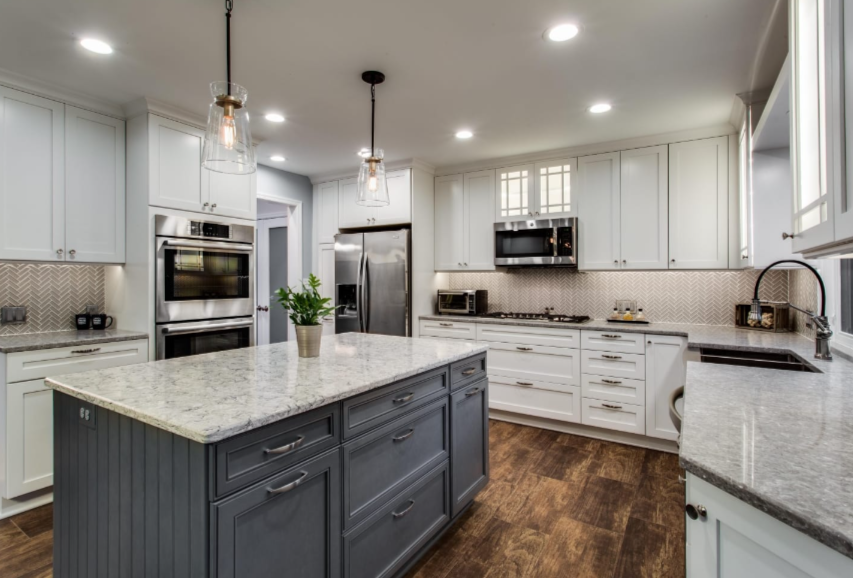
Smooth wall finishes are a hallmark of professional interior painting. They not only improve the aesthetic appeal of a room but also enhance the durability and longevity of the paint. Uneven surfaces, visible brush strokes, or roller marks can distract from the overall design and make walls look poorly maintained. In Winnipeg, interior house painters Winnipeg prioritize smooth finishes to meet both residential and commercial client expectations, ensuring every wall reflects a clean, polished appearance.
What Techniques Do Painters Use to Prepare Walls?
Proper preparation is the foundation of smooth wall finishes. Interior painters in Winnipeg typically start by cleaning the walls to remove dust, grease, and old paint residues. Sanding is a critical step; it smooths out imperfections, fills in minor cracks, and ensures the new paint adheres effectively. For larger dents or holes, professional-grade fillers are applied and sanded down to create a seamless surface. Priming the walls is another essential step, as it seals the surface and provides a uniform base for paint application.
How Do Painters Choose the Right Tools for a Smooth Finish?
The choice of tools significantly impacts the outcome of interior painting. High-quality brushes and rollers are standard among Winnipeg painters, as they allow for even paint distribution and reduce the appearance of streaks. Sprayers are often used for larger surfaces, creating a consistently smooth layer without brush or roller marks. Tool selection is matched to the type of paint and surface texture, ensuring optimal results. For example, fine-nap rollers are preferred for smooth walls, while thicker rollers are reserved for textured surfaces.
What Role Does Paint Quality Play in Achieving Smooth Walls?
Paint quality is a critical factor that cannot be overlooked. Professional painters in Winnipeg select paints with high pigment density and excellent coverage to reduce the number of coats needed. Low-quality paints often result in uneven surfaces, drips, and streaking, which compromise the smooth finish. Choosing paints that are easy to spread and self-leveling allows for a more professional result, minimizing imperfections and enhancing wall durability.
How Do Professionals Apply Paint for Maximum Smoothness?
Application techniques are just as important as preparation. Interior painters typically use a methodical approach, applying paint in overlapping strokes to avoid lines or patches. Multiple thin coats are preferred over a single thick coat to ensure even coverage and a flawless finish. Attention to drying times between coats is also crucial, as rushing the process can lead to uneven textures and bubbling. Experienced painters monitor environmental conditions such as humidity and temperature, which can affect how paint dries and levels on the wall.
What Maintenance Tips Keep Walls Looking Smooth Longer?
Even the best-applied paint can degrade without proper care. Regular dusting and gentle cleaning help maintain a smooth appearance. Avoiding harsh scrubbing or abrasive cleaners preserves the paint surface and prevents scratches. Touch-ups for minor chips or dents can be done promptly to maintain a uniform look. Interior painters in Winnipeg often provide clients with guidance on maintaining their walls, ensuring the smooth finish remains intact for years.
Conclusion: How Can Homeowners Achieve Professional-Level Wall Finishes?
Achieving smooth wall finishes requires a combination of careful preparation, the right tools, quality paint, and skilled application. Interior painters in Winnipeg leverage these strategies to deliver results that elevate the look and feel of any space. By understanding the importance of preparation, tool selection, and technique, homeowners can appreciate the value of professional painting and maintain their walls in pristine condition. A smooth finish is more than just aesthetic; it reflects quality craftsmanship and attention to detail.
